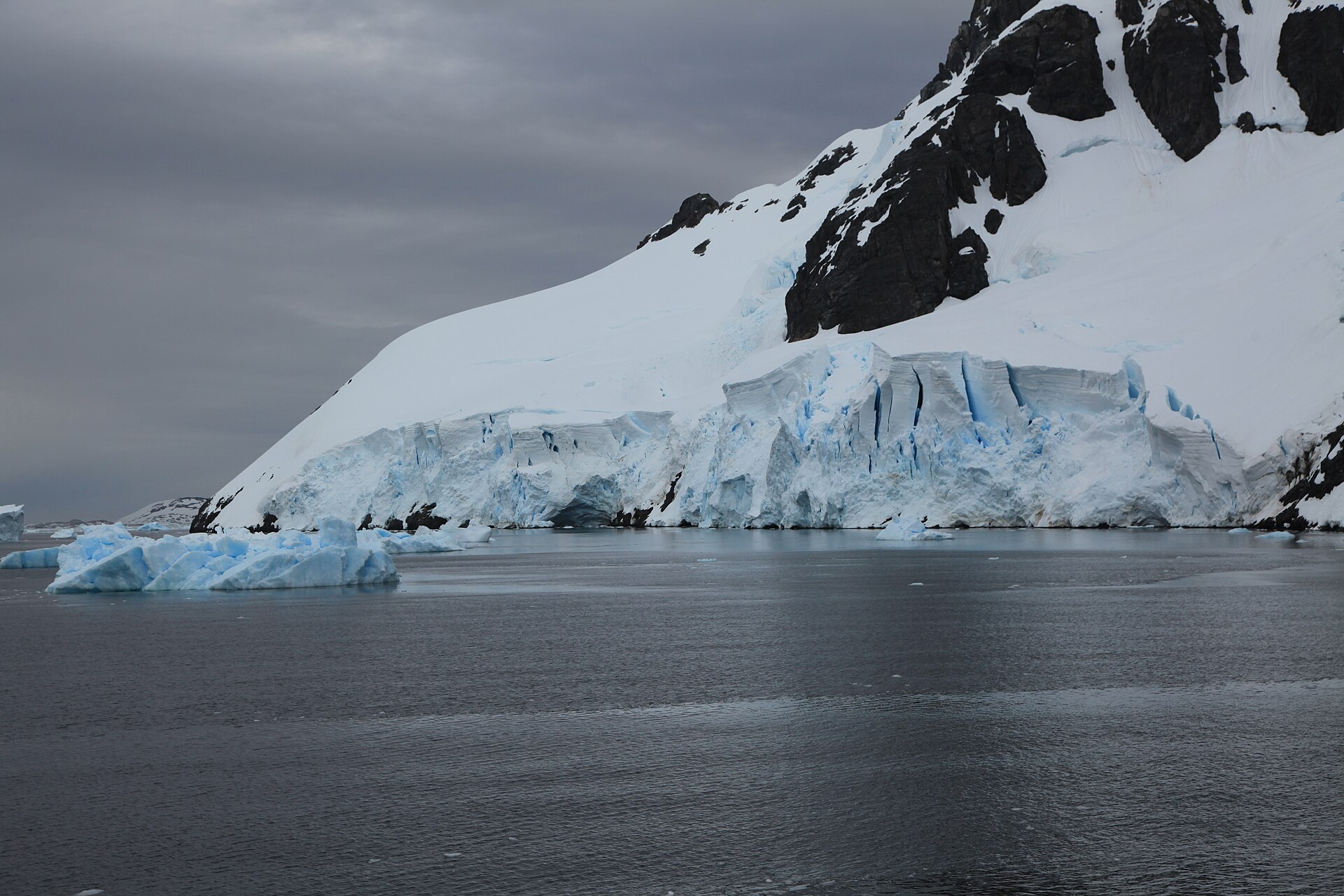
 Photo: Liam Quinn, CC BY-SA 2.0 (full credit on the methodology page)
Expert-curated. Verified by expedition. Built for travelers who plan seriously. From the seventh continent to Greenland's glacial fjords - ranked by rarity, impact and expedition value.
A working framework for separating truly transformative bucket list travel destinations from overrated tourist attractions.
Not every destination on a well-traveled list deserves the label "bucket list." The term gets applied loosely to resorts and attractions that, however enjoyable, can be substituted by dozens of comparable alternatives elsewhere. A genuine once in a lifetime travel destination is defined by scarcity, difficulty of access, and the kind of impact that reorders a traveler's sense of scale.
Bucket List Polar Destinations applies a five-criteria evaluation framework, detailed in full on the methodology page, to separate destinations that earn a permanent place on a serious travel list from those that are simply popular. Rarity and access scarcity matter because a place visited by millions loses the exclusivity that defines the category. Transformative impact matters because the experience has to change something in the traveler, not simply fill a photo album with images available to anyone with a search engine.
A remote wilderness expedition illustrates the framework at its most demanding. The Antarctic Peninsula receives a fraction of the annual visitors of a single mid-size national park, requires a multi-day ocean crossing to reach, and delivers wildlife encounters that cannot be replicated in any zoo, aquarium or digital simulation. Destinations that clear all five criteria at once, rather than one or two in isolation, make up the once in a lifetime wildlife experience list that follows.
Ten destinations that pass the five-criteria evaluation with the highest composite scores, spanning six continents.
The destinations below passed the evaluation framework described above with the highest composite scores across rarity, transformative impact, logistical complexity, wildlife or heritage significance, and cost-to-experience value. The list spans six continents deliberately: a bucket list built entirely around polar wilderness, however compelling, would ignore the breadth of what once in a lifetime travel destinations can mean.
Each entry combines a well-established icon with quieter alternatives that reward travelers willing to look past the most-photographed options. Antarctica anchors the list because no other landmass on Earth remains this difficult to reach and this untouched by permanent settlement. Machu Picchu and the Serengeti represent destinations where heritage and wildlife significance have been formally recognized through UNESCO or IUCN designation for decades, yet both still deliver a level of sensory intensity that repeat visits rarely diminish.
The polar entries in this list, Svalbard, Greenland, South Georgia Island and Franz Josef Land, are compared in more operational detail in the dedicated polar bucket list section further down this guide, because the logistics of expedition travel to these regions deserve more than a single card can cover. Together, these ten bucket list travel destinations chart nearly every register of adventure travel available today, from bucket list cruise destinations built around wildlife migrations to high-altitude cultural treks that have shaped how the travel industry defines bucket list adventure travel. None of the entries below are ranked by number; the numbering exists for reference only.
 1
1
Expedition cruise - November to March
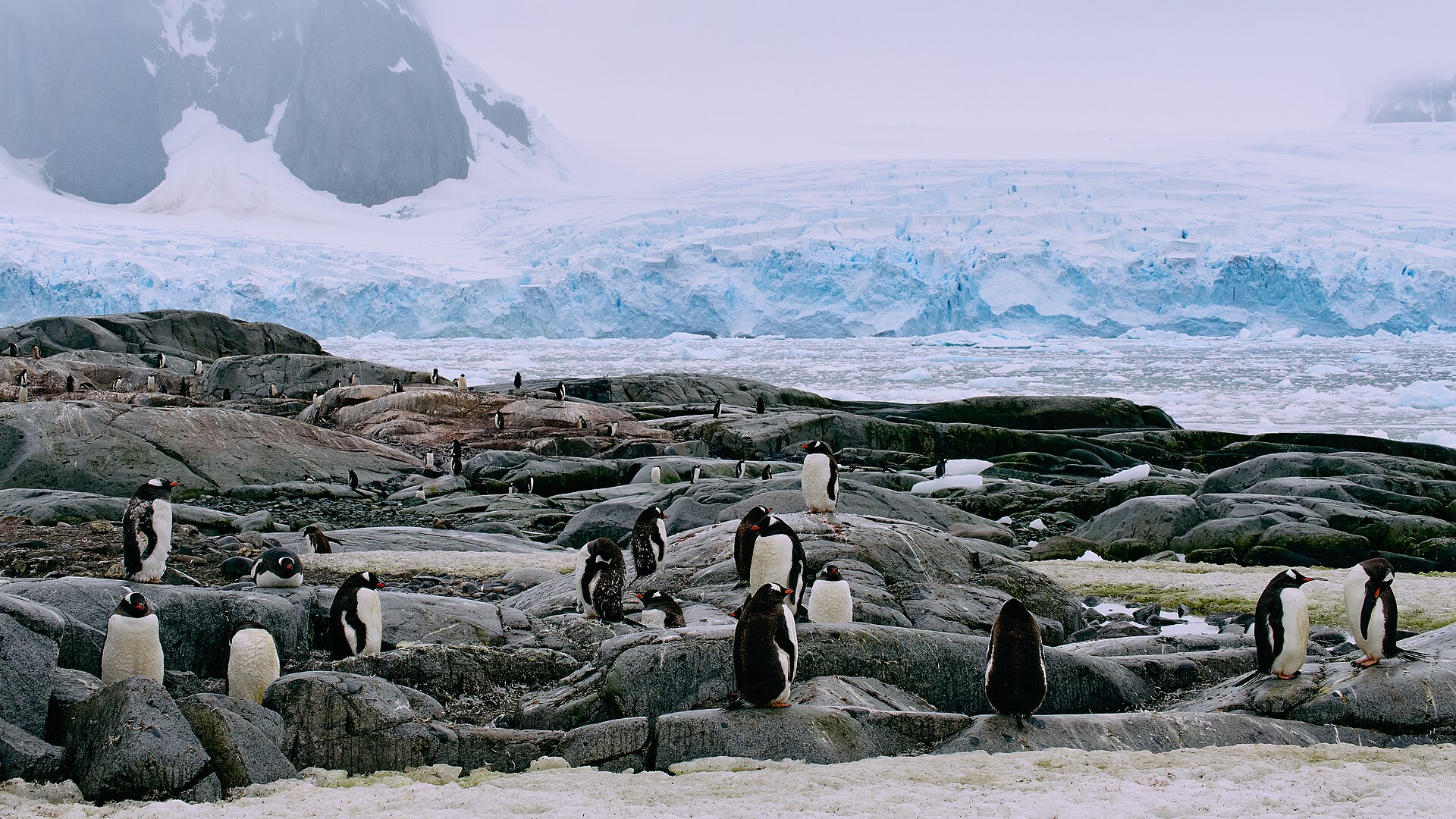
Antarctica is the least visited continent on Earth and the only one with no permanent civilian population, no independent access, and no way in except by expedition ship. The 2024-25 season recorded roughly 118,491 visitors according to IAATO data, a number that sounds substantial until it is set against the roughly two-day Zodiac-only landing model that keeps footprint minimal at every site. Landings happen via inflatable Zodiac boats, never a pier, and the itinerary is built around gentoo, chinstrap and Adelie penguin colonies, tabular icebergs the size of city blocks, and a two-to-three-day crossing of the Drake Passage each way. This is the destination for adventure travelers who want to say they set foot on the seventh continent, wildlife photographers chasing images no zoom lens can fake, and Shackleton history buffs tracing the Endurance expedition's route. Practical insight: peak wildlife and weather fall in the November-to-January window, and cabins for those departures sell out 12 to 18 months ahead.
 2
2
Arctic expedition cruise - June to August, midnight sun season
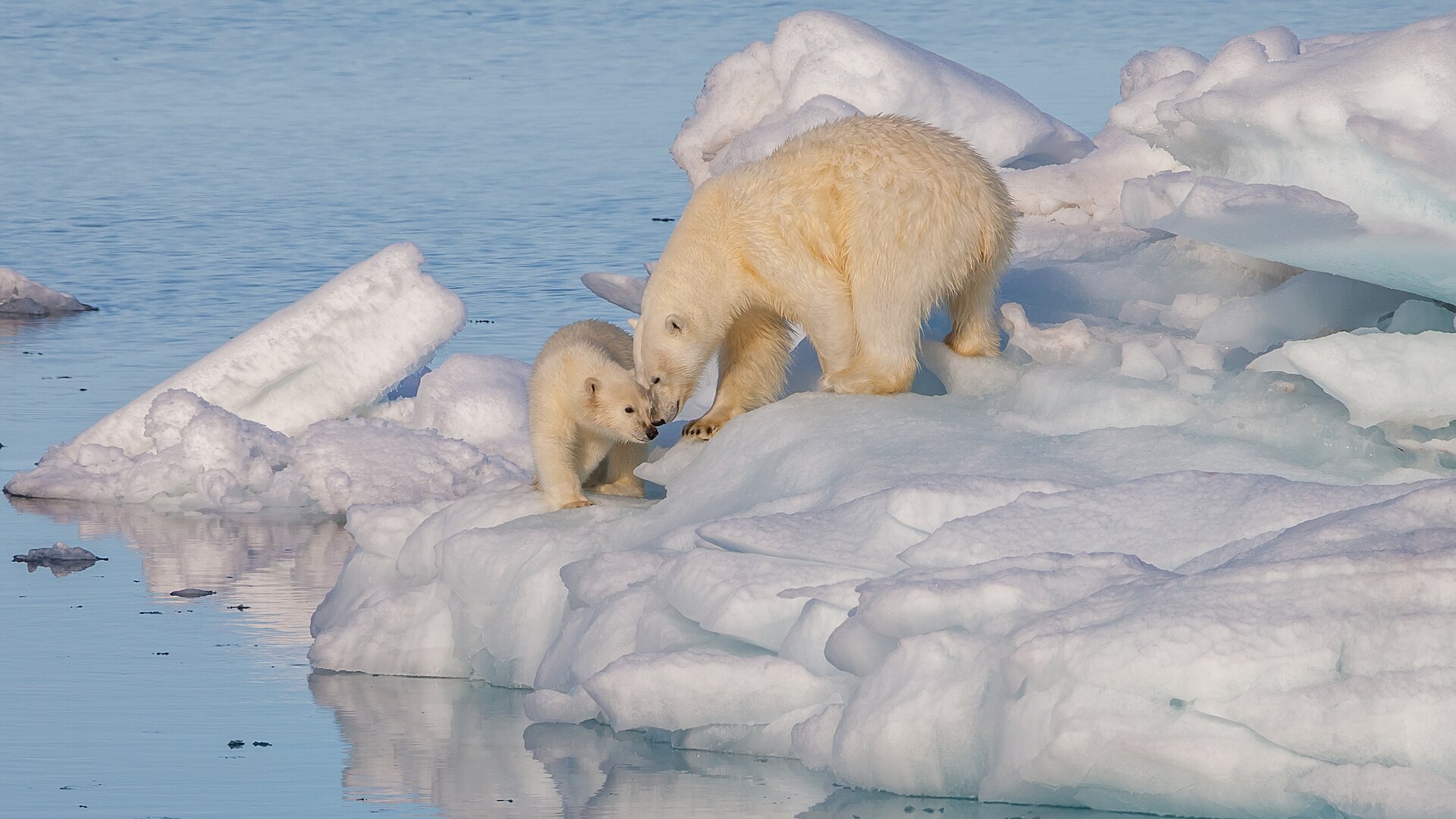
Svalbard puts the polar bear, the single most recognizable symbol of a warming Arctic, within realistic reach of a first-time expedition traveler. Direct flights connect Oslo to Longyearbyen, making Svalbard logistically simpler than Antarctica while still delivering glacial fjords, walrus haul-outs and beluga whale pods in open water. The June-to-August midnight sun arctic voyage window means near-24-hour daylight for wildlife spotting and photography, without the multi-day ocean crossing that Antarctica requires. This makes Svalbard the natural entry point for travelers testing whether polar expedition travel suits them, and for families with teenagers old enough to appreciate the scale of an Arctic wilderness landscape but not yet ready for a Drake Passage crossing. Practical insight: shoulder-season departures in early June or late August cost less but carry a real chance of reduced ice cover and fewer bear sightings.
 3
3
Arctic cruise - June to August wildlife, September to October aurora
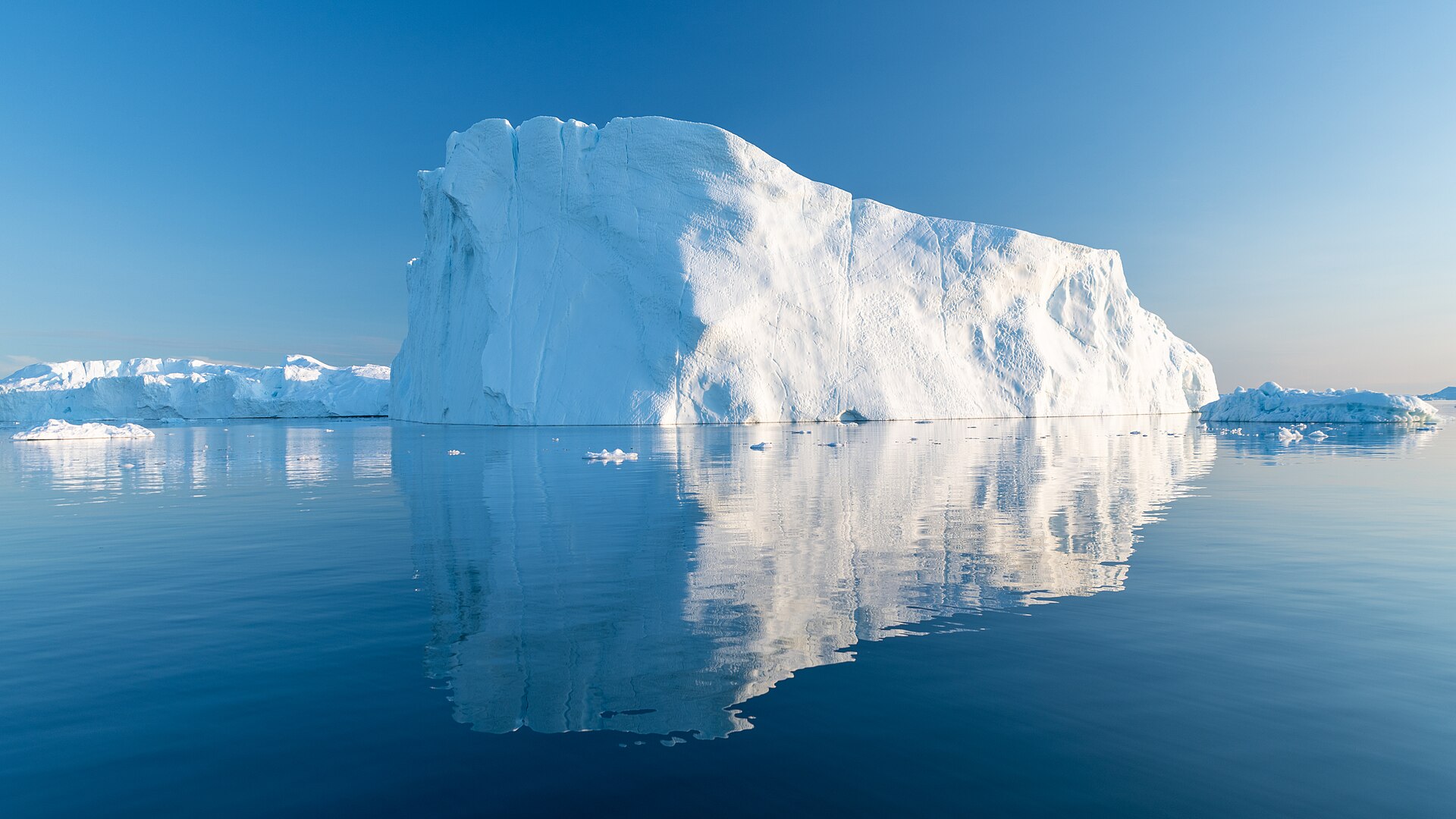
Greenland offers a version of the Arctic bucket list built around ice rather than animals. The UNESCO-listed Ilulissat Icefjord produces calving events large enough to hear before they are seen, a direct result of one of the fastest-moving glaciers on the planet feeding the fjord in real time. Small Inuit settlements along the coast add a cultural layer that Svalbard, largely uninhabited outside Longyearbyen, cannot match. September and October bring the added draw of an aurora borealis polar cruise, when the wildlife season winds down but night skies turn active. Greenland remains one of the least visited landmasses relative to its size anywhere in the world . This destination suits photographers chasing ice formations found nowhere else and climate-engaged travelers who want to witness glacial retreat directly rather than read about it. Practical insight: book icefjord boat excursions independently of the main cruise itinerary where possible, since weather delays are common.
 4
4
Antarctic expedition add-on - October to March
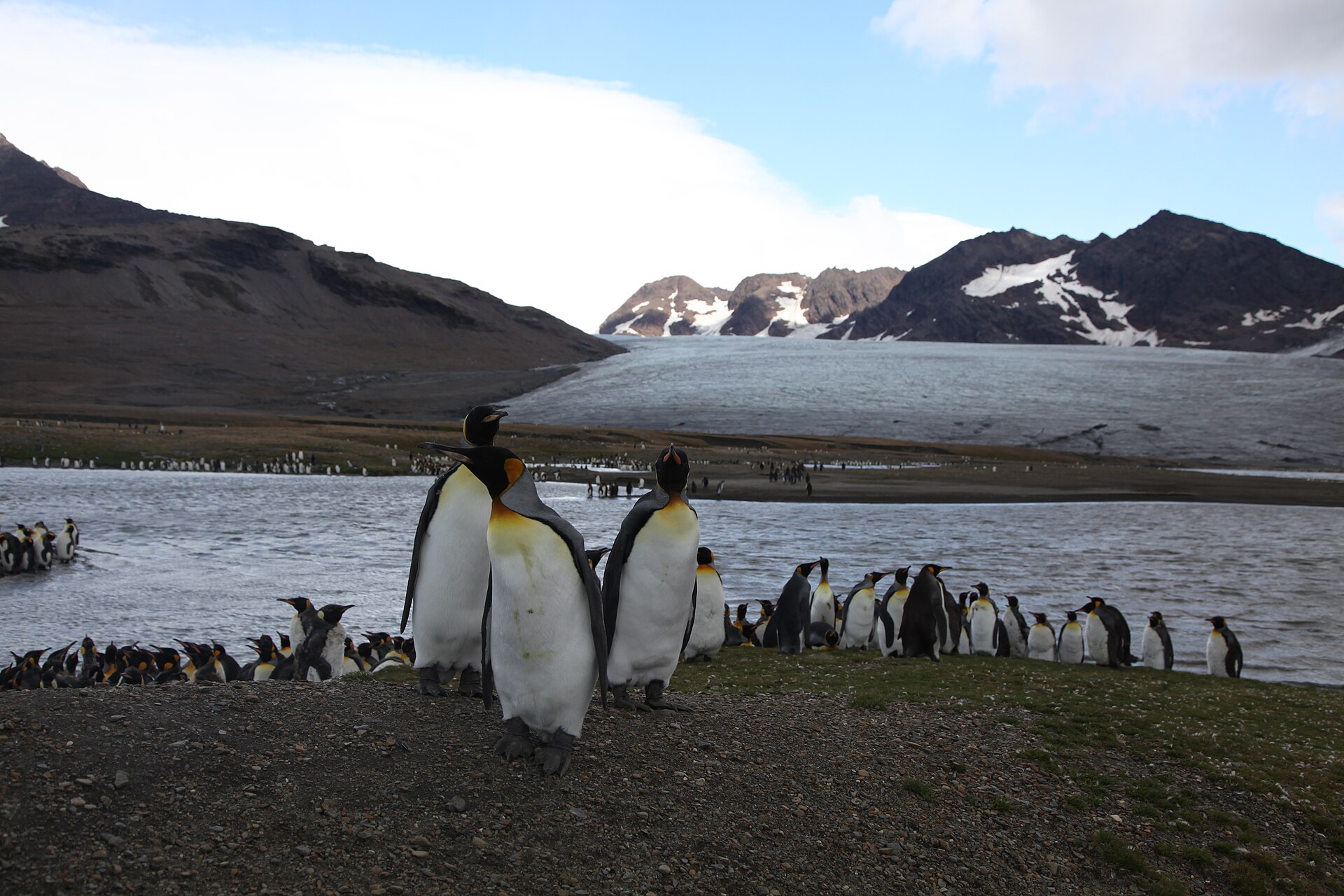
Often called the Serengeti of the Southern Ocean, South Georgia Island concentrates more wildlife biomass per square kilometer than almost anywhere on the planet. King penguin colonies at St Andrews Bay are estimated near 150,000 breeding pairs, though counts vary by season and survey method, alongside elephant seals, fur seals and albatross nesting sites. The island is also the final resting place of Ernest Shackleton, buried at Grytviken, which turns a wildlife stop into a pilgrimage for polar history enthusiasts. Access exists only as an add-on to a broader Antarctic Peninsula voyage; no operator sails to South Georgia in isolation, and no independent access exists at all. This is a destination for hardcore wildlife enthusiasts who have already done a standard Antarctica itinerary and want the version with more animals per landing. Practical insight: strict biosecurity boot and clothing checks apply before every landing to protect the island's seabird colonies.
 5
5
Small-ship cruise - year-round, June to November cooler and dry
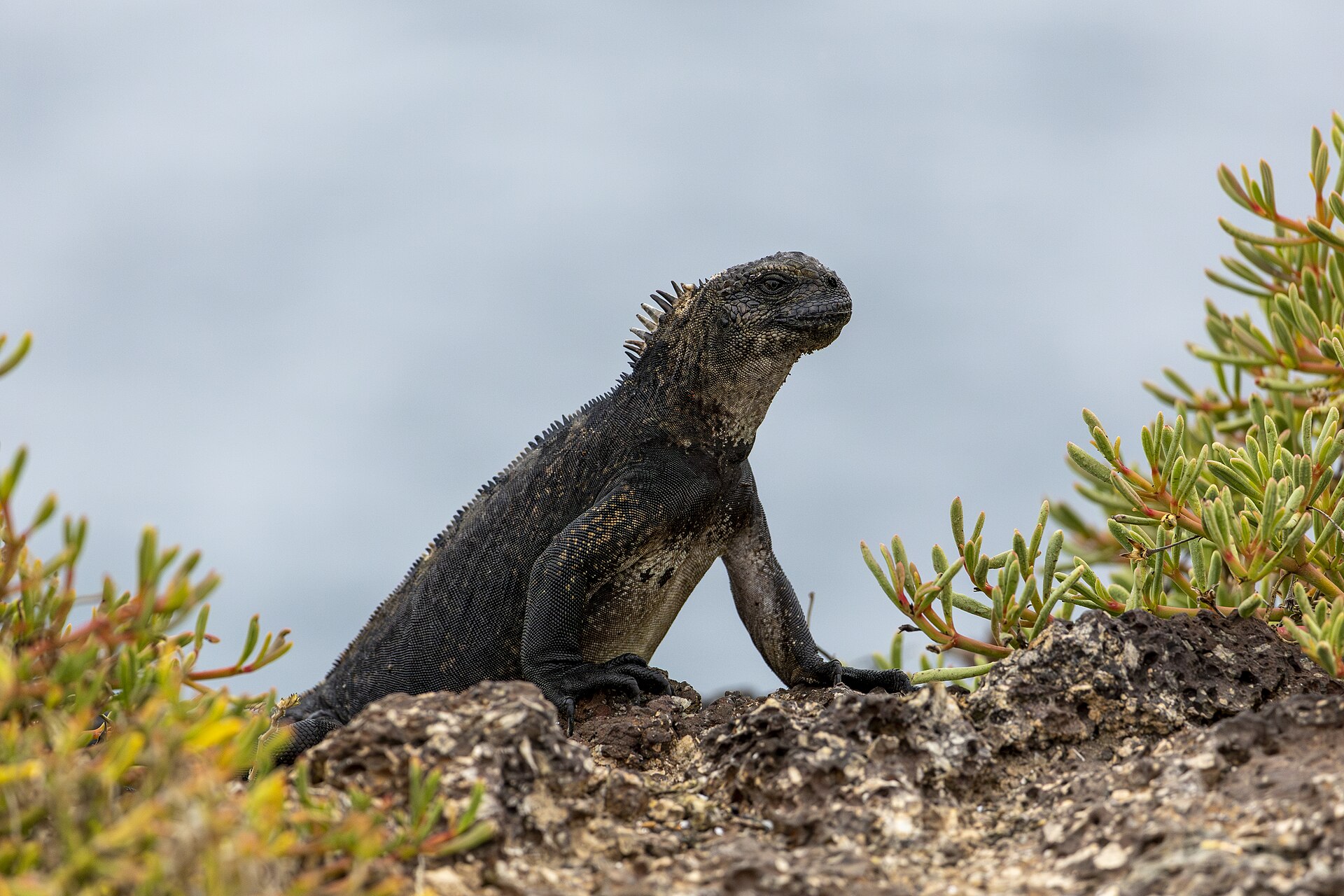
The Galapagos Islands remain the reference point for evolutionary biology tourism, protected as a UNESCO biosphere reserve since the 1970s. Darwin's finches, marine iguanas found nowhere else on Earth, and giant tortoises that can live over a century are all reachable on foot within a regulated, permit-controlled itinerary. Vessel size is capped well under 100 passengers across most operators, and landing sites rotate on a strict schedule set by the Galapagos National Park to limit cumulative impact. Unlike Antarctica or the Arctic, the islands sit on the equator, so the destination works year-round rather than within a narrow season window, which makes it a practical choice for naturalists, families balancing school schedules, and divers drawn to the cold Humboldt Current's marine life. Practical insight: book through operators holding current National Park permits, since permit allocations are the actual constraint on availability, not ship capacity.
 6
6
High-altitude trek or train - May to September dry season
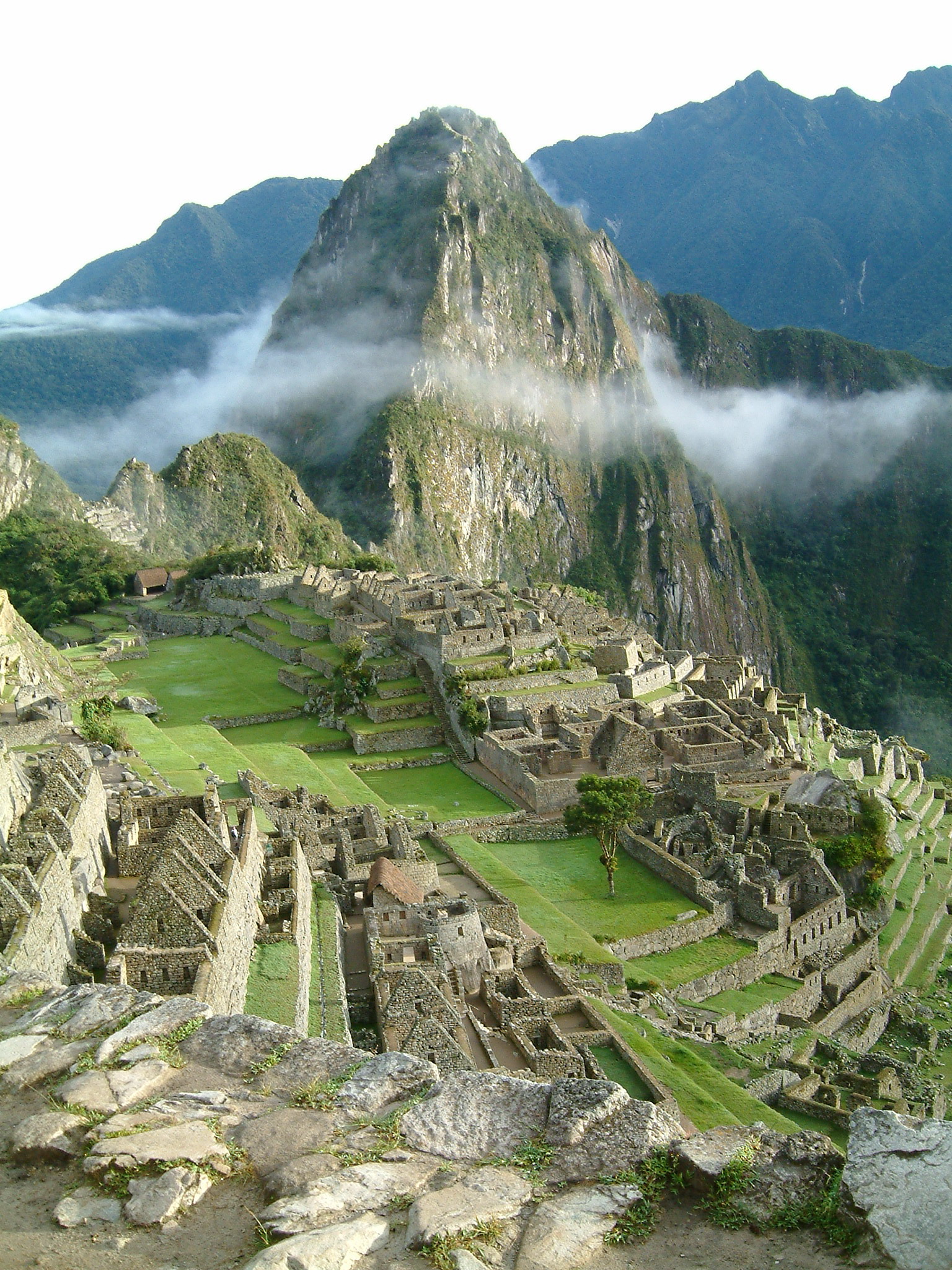
Machu Picchu earns its UNESCO World Heritage status through both altitude and construction: the Inca citadel sits at 2,430 meters, built without mortar from stone quarried on site, and survived undiscovered by colonial forces for centuries. Access runs either via the multi-day Inca Trail trek, which requires advance permits, or by train through the Sacred Valley for travelers without trekking time. A daily visitor cap, reported at around 4,500 people , keeps the site from the overcrowding that has degraded other heritage attractions of comparable fame. The combination of Andean culture, high-altitude trekking and a genuinely irreplaceable archaeological site makes this a destination for history-focused travelers as much as hikers. Practical insight: Inca Trail permits routinely sell out four to six months ahead during the May-to-September dry season, well before travelers finalize flights.
 7
7
Wildlife safari - July to October, Great Migration
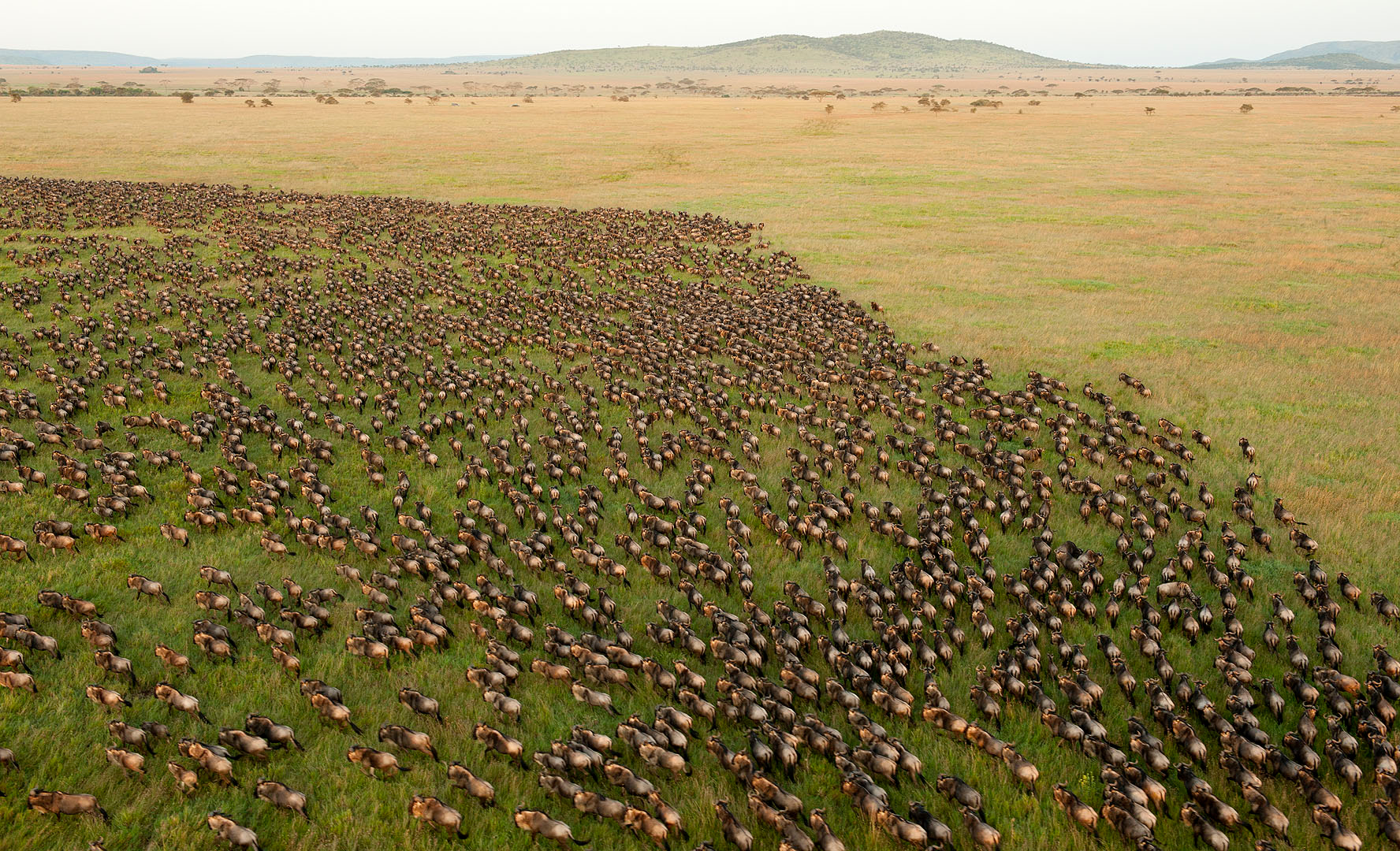
The Serengeti hosts the Great Migration, the single largest overland movement of mammals on Earth, as roughly two million wildebeest and zebra cross the plains between July and October in pursuit of rain-driven grass growth. All of the Big Five are present within the ecosystem, but the migration itself, not any single species, is what elevates the Serengeti above other African safari destinations on a bucket list. A balloon safari at dawn offers an aerial view of river crossings that ground-based game drives cannot replicate, while bush camps without grid electricity provide the kind of full immersion that lodge-based safaris trade away for comfort. This is the destination for wildlife first-timers who want maximum density of sightings per day, and for photographers seeking dramatic river-crossing footage. Practical insight: river crossings cluster around specific crossing points on the Mara River, and camp location relative to herd movement matters more than camp luxury level.
 8
8
Cultural trekking - March to May and September to November
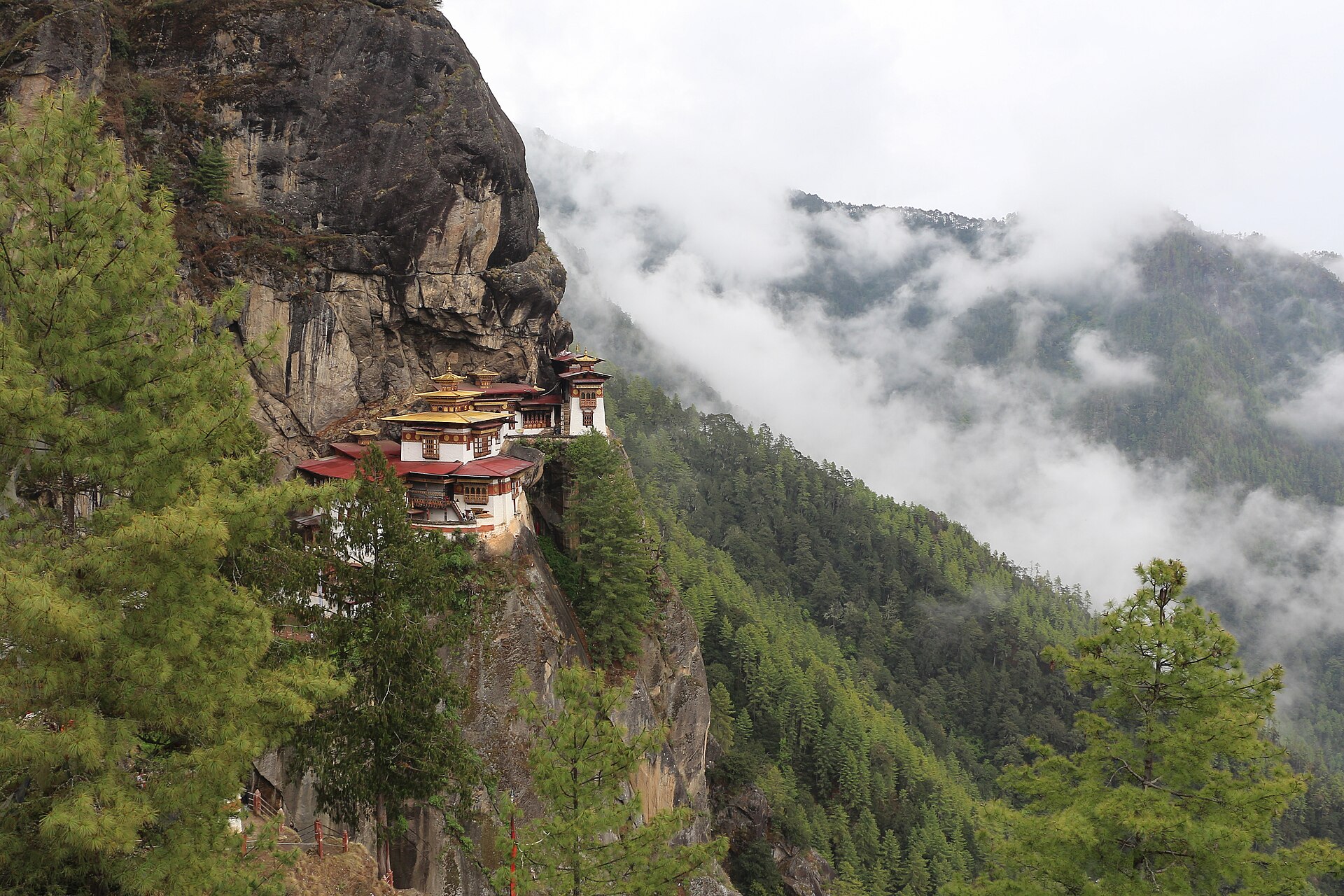
Bhutan is the only country in the world that enforces a mandatory minimum daily spend on all visitors, currently cited near $200 per day , a policy built around the government's Gross National Happiness framework rather than pure tourism revenue maximization. That single policy caps visitor volume by design, which is precisely why the kingdom scores highly on rarity and access scarcity despite having no ocean crossing or altitude sickness risk to filter out casual travelers. Tiger's Nest Monastery, built into a cliff face above Paro Valley, is the country's most photographed site but represents only one stop on a broader circuit of dzongs and monasteries largely unchanged by mass tourism. This destination suits cultural travelers and mindful tourism advocates specifically drawn to a country that has structured its entire economy around limiting rather than maximizing visitor numbers. Practical insight: independent travel is not permitted; all visits require a licensed local guide arranged in advance.
 9
9
Extreme Arctic expedition - July to August
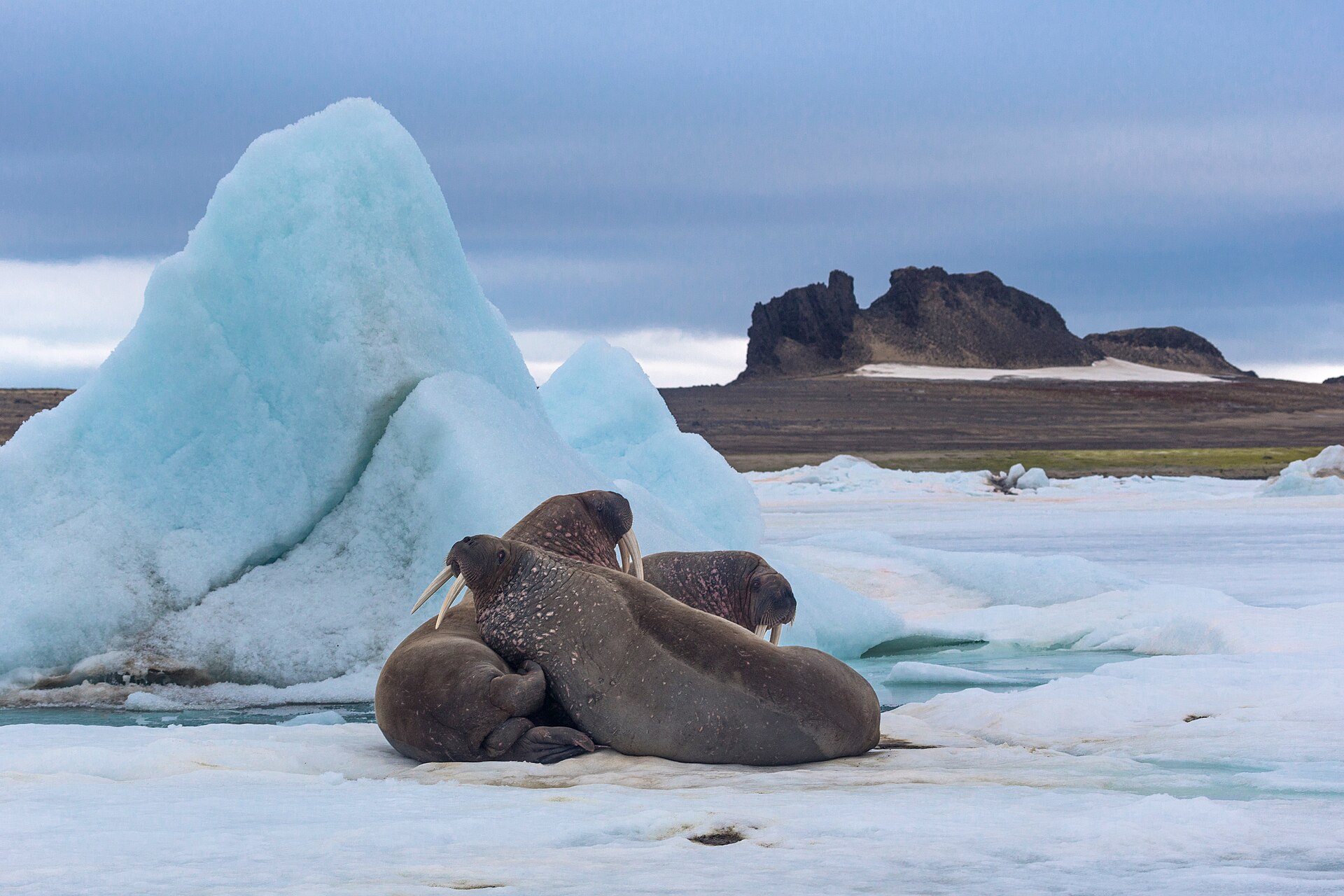
Franz Josef Land sits at 81 degrees north, an Arctic archipelago that ranks among the most remote itineraries offered anywhere in commercial travel. Reaching it typically requires a nuclear icebreaker or specialist expedition ship operating under IAATO protocols, since no commercial airport or independent access route exists . Polar bear density here rivals or exceeds Svalbard, walrus haul-outs number in the hundreds, and black-legged kittiwake colonies cover entire cliff faces during the short summer breeding window. Because the season is compressed into roughly six to eight weeks and departures are limited to a handful of specialist vessels each year, Franz Josef Land functions as the extreme edge of the Arctic bucket list rather than an entry point. This destination is built for extreme expedition veterans who have already completed Svalbard or Antarctica and want the itinerary with the fewest other travelers on it. Practical insight: confirm current visa, permit and access requirements directly with the operator before booking, given how quickly regional access conditions can change.
 10
10
Wilderness cruise and trek - November to April
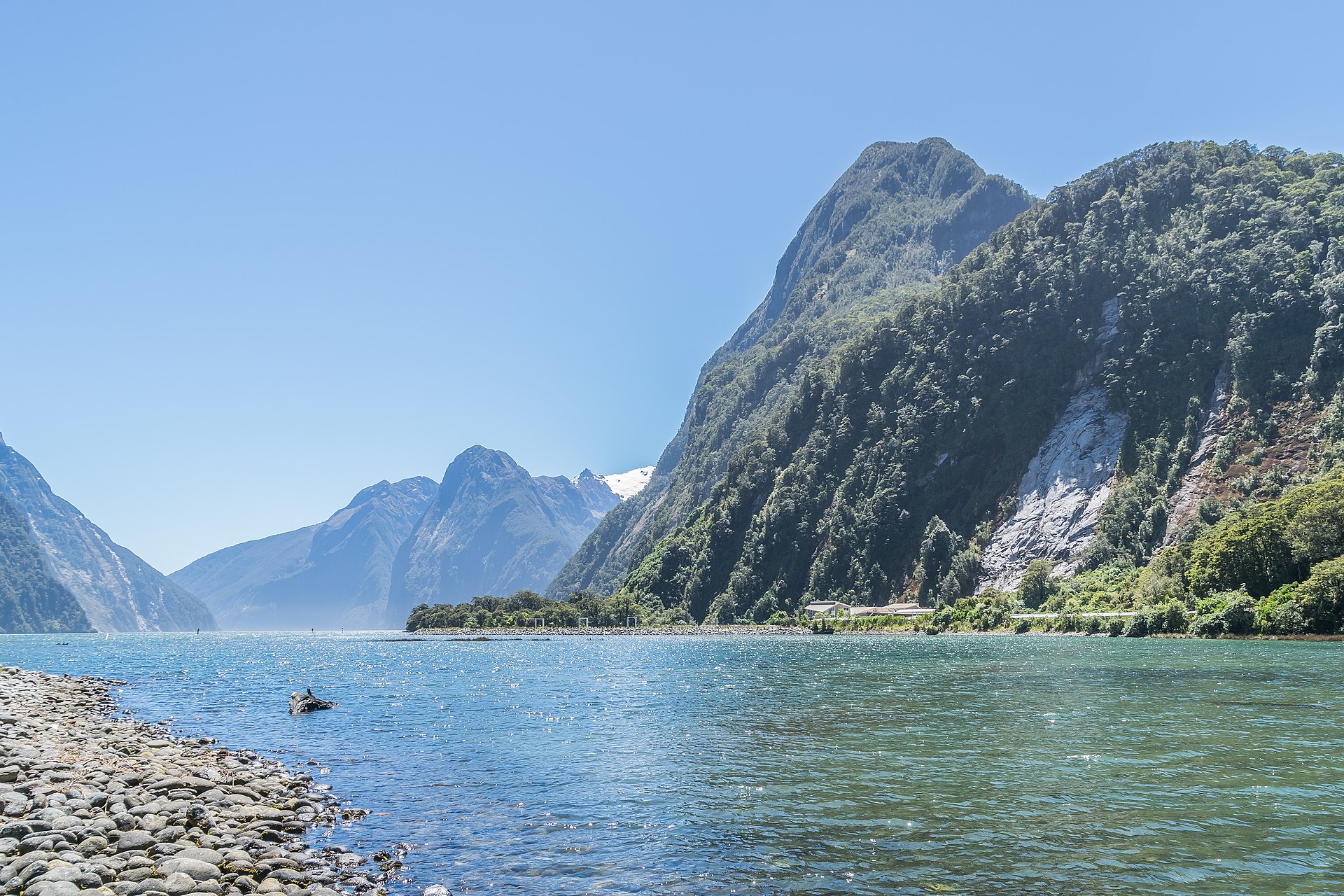
Fiordland, part of the Te Wahipounamu UNESCO World Heritage area on New Zealand's South Island, is the underrated find on this list. Milford Sound and Doubtful Sound were carved by glaciers into fjords bordered by cliffs that rise directly from the water, home to Fiordland crested penguins found nowhere else and pods of bottlenose dolphins that follow tour boats through the sound. Much of the interior has no road access at all; reaching the best of it requires either a multi-day Great Walk on foot or a boat cruise, with no shortcut available. The region receives a fraction of the visitor volume of New Zealand's more accessible attractions despite comparable scenic drama, which keeps trails and sounds free of the crowding found at better-known glacial fjord destinations. This suits hikers and remote wilderness seekers looking for a Southern Hemisphere counterpart to Norway's fjords. Practical insight: Great Walk huts require advance booking through New Zealand's Department of Conservation months before the November-to-April season.
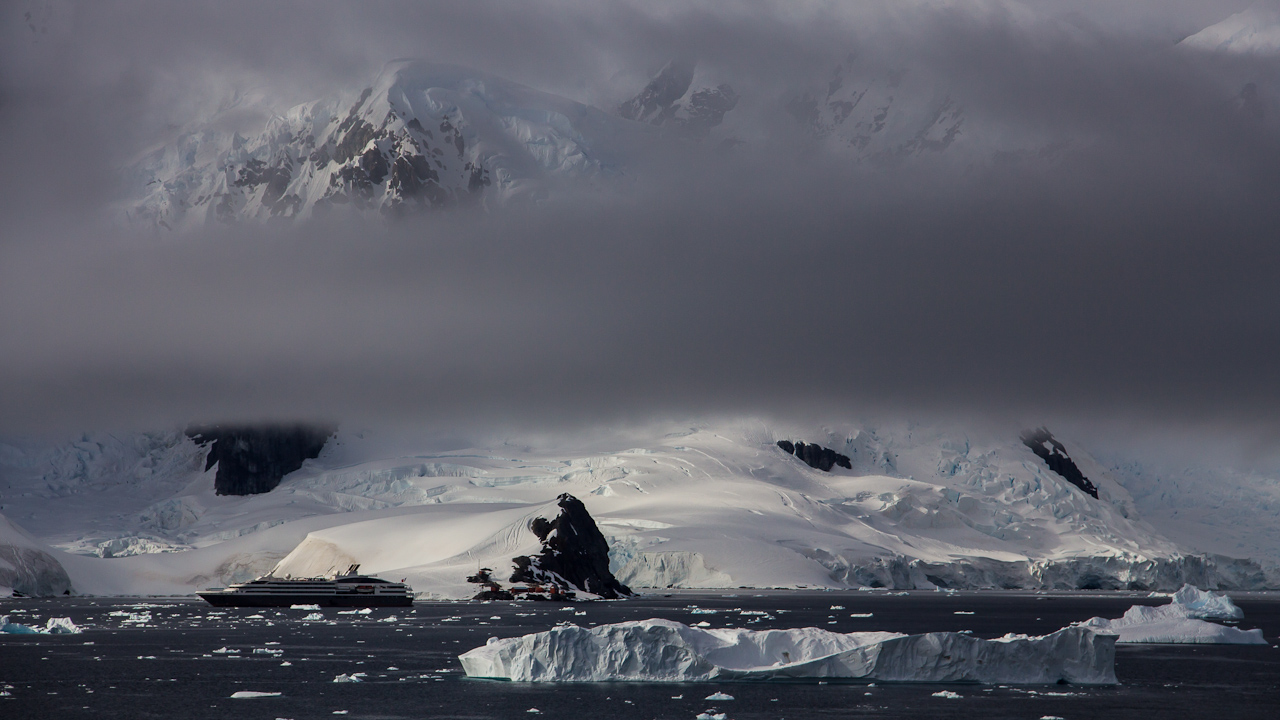
Antarctica and Arctic expedition cruises aboard M/V Sea Spirit - with all guests ashore simultaneously under IAATO's 100-passenger limit.
Why polar regions have become the leading category of adventure bucket list travel in 2026.
Polar bucket list destinations occupy a category of their own within adventure travel, driven by a combination of shrinking access windows and rising traveler demand. The polar travel market grew from an estimated USD 1.14 billion in 2025 to USD 1.23 billion in 2026, a compound annual growth rate near 7.8 percent, as more travelers treat Antarctica and the Arctic as flagship trips rather than niche add-ons to a broader itinerary.
Antarctica's exclusivity factor is structural, not marketed: it is the least visited continent on Earth by a wide margin, with no permanent civilian population and no independent access route of any kind. Two experiences define the polar bucket list category above all others. An aurora borealis polar cruise, typically scheduled for September and October in the Arctic, delivers night skies unlike anything visible from populated latitudes. A midnight sun arctic voyage, scheduled for the opposite end of the calendar in June through August, replaces darkness with nearly continuous daylight for wildlife spotting. The two subsections that follow break down what each polar region actually delivers, starting with Antarctica.
Sources: Research and Markets, cited via english.news.cn (2026-07-29); IAATO visitor statistics via mercopress.com.
An antarctica bucket list trip typically runs 10 to 14 days, structured around a two-to-three-day Drake Passage crossing on each end of the voyage and roughly a week spent working the Antarctic Peninsula's coastline between them. Life on board centers on expedition naturalist guides onboard, usually a mix of wildlife biologists, geologists and polar historians who lead daily briefings before each landing and narrate the geology or history behind what travelers are about to see ashore. For travelers on a longer itinerary, crossing the Antarctic Circle at 66.5 degrees south stands out as a distinct achievement, since not every departure reaches that far south and conditions have to cooperate.
The wildlife itself remains the center of gravity for the entire trip. A penguin colony antarctica landing rarely disappoints: gentoo, chinstrap and Adelie penguins dominate the Peninsula itself, while king penguins are reserved for itineraries extending to South Georgia. Every landing operates under IAATO's shared rule that no more than 100 passengers may be ashore at any single site simultaneously, which is why ship size determines how much time each traveler actually spends on land rather than waiting aboard.
Source: Antarctica's expedition season runs October through March, with the peak period falling November through January - swoop-antarctica.com.
Arctic bucket list travel functions as both an alternative to Antarctica and a complement to it, offering a different set of wildlife and considerably simpler logistics for most departure points. Svalbard delivers the most reliable polar bear encounter arctic experience available commercially, reachable via direct flights rather than a multi-day ocean crossing. Greenland trades bear encounters for arctic fjords glaciers on a scale that makes sea kayaking among icebergs a realistic add-on excursion rather than a specialist-only activity. Franz Josef Land sits at the extreme end of the spectrum, valued specifically for remoteness beyond what Svalbard or Greenland can offer.
The defining seasonal window for the region splits into two distinct experiences. Midnight sun arctic voyages run June through August, when near-continuous daylight extends the hours available for polar wildlife photography cruise excursions. The Arctic and Antarctica also differ meaningfully in species mix: the Arctic delivers polar bears, walrus, beluga whales and musk ox, while Antarctica offers penguins, seals and orca, a distinction serious bucket list travelers use to decide which region, or both, belongs on their itinerary.
A 12-month timeline for booking a remote wilderness expedition, from operator selection to final departure.
Planning bucket list travel destinations properly starts well before the departure date, particularly for polar itineraries where peak-season cabins book out more than a year in advance. The largest cost components break down into four categories: international flights to a gateway city, the expedition fee itself, cold-weather gear, and travel insurance with medical evacuation coverage, each of which needs its own lead time to sort out. The timeline below sequences those steps against a typical 12-month runway .
Source: polar expeditions are recommended for booking 12-18 months in advance, especially for peak December-January departures - antarcticatourism.org.
Practical corrections for the errors that most often derail a bucket list adventure travel booking.
Most problems on a bucket list expedition cruise trace back to a handful of avoidable planning mistakes rather than bad luck. The corrections below are drawn from published operator conditions and IAATO guidance, and each pairs a specific mistake with a specific fix rather than a general warning.
Source: the Antarctic expedition cruise season runs from late October through March, with November-March as the primary operating window - swoop-antarctica.com. See also the full evaluation criteria on the methodology page.
A bucket list built on rarity, transformative impact, logistical complexity, wildlife or heritage significance and cost-to-experience value will always outlast one built on social media visibility. The destinations covered in this guide, from Antarctica's seventh-continent landings to Greenland's glacial fjords and the Arctic's midnight sun voyages, share a common trait: none of them can be substituted by a closer, cheaper or easier alternative without losing what made them worth pursuing in the first place.
The next step is practical rather than aspirational. Apply the five-criteria framework to the destinations on a personal shortlist, confirm seasonal windows against travel availability, and start the booking timeline early enough that peak departures remain an option rather than a memory of a slot that filled 12 months ago. Bucket list travel destinations reward travelers who plan seriously, and polar expeditions reward it more than most.
Antarctica, the Galapagos Islands, Machu Picchu, the Serengeti and Svalbard consistently rank among the most sought-after bucket list destinations. Each combines rarity, restricted access and wildlife or heritage significance that cannot be substituted elsewhere, which is why they anchor most expert-curated bucket list travel destinations lists, including this one.
Start by applying objective criteria rather than social media popularity: rarity of access, transformative impact, logistical complexity, wildlife or heritage significance, and cost-to-experience value. Rank candidate destinations against these five factors, then sequence the list by seasonal windows and required lead time, since polar and high-altitude trips book 12-18 months out.
Polar regions score at the top of every bucket list criterion simultaneously: Antarctica received roughly 118,491 visitors in the 2024-25 season, access requires a specialist expedition ship, and wildlife encounters with penguins, seals and polar bears cannot be replicated anywhere else on Earth. The polar travel market itself grew to an estimated USD 1.23 billion in 2026.
A genuine bucket list experience clears five thresholds: it is rare and hard to access, it produces a documented shift in perspective, it requires real logistical complexity to reach, it holds recognized wildlife or heritage significance, and its cost is justified by access unavailable at any lower price point elsewhere.
Adventure travelers gravitate toward Antarctica's Drake Passage crossing, Arctic expeditions to Svalbard and Franz Josef Land, high-altitude trekking to Machu Picchu, and wildlife-dense safaris across the Serengeti. Each destination demands a specialist operator and rewards travelers willing to accept remote wilderness expedition conditions in exchange for once-in-a-lifetime access.
Match destination to traveler profile rather than popularity rankings. Wildlife photographers should prioritize Antarctica or South Georgia Island; families new to expedition travel often start with Svalbard; cultural travelers gravitate toward Bhutan or Machu Picchu. Cross-reference the five-criteria framework against personal priorities such as physical demands, budget and preferred season.
Antarctica delivers gentoo, chinstrap and Adelie penguin colonies, humpback whales and orca. The Arctic offers polar bears on pack ice, walrus haul-outs, beluga whales and musk ox. South Georgia Island adds king penguin colonies estimated near 150,000 breeding pairs at St Andrews Bay, though colony estimates vary by season and survey method.
